
It’s Spring! Look Up! Cherish the Tree Flowers.
As the sun rises earlier and higher in the sky, look up and appreciate some of earliest signs of nature’s essential regrowth in the trees.
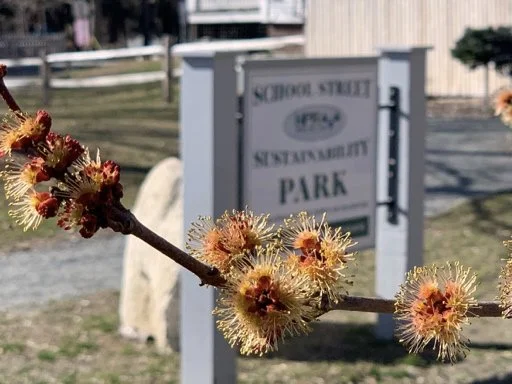
Acer rubrum
As winter recedes, Red Maple (Acer rubrum) flowers are a critical early spring food source. Their very early blooms provide energy for birds and pollinators. It is a host plant for approximately 280 species of native butterflies and moths including the Cecropia Silk Moth and the Rosy Maple Moth. The larva of all these Moths and Butterflies, in turn, support the lifecycle of many native birds who need a hefty supply of caterpillars to support their b roods. Red maple prefers damp locations and can withstand some road salt.
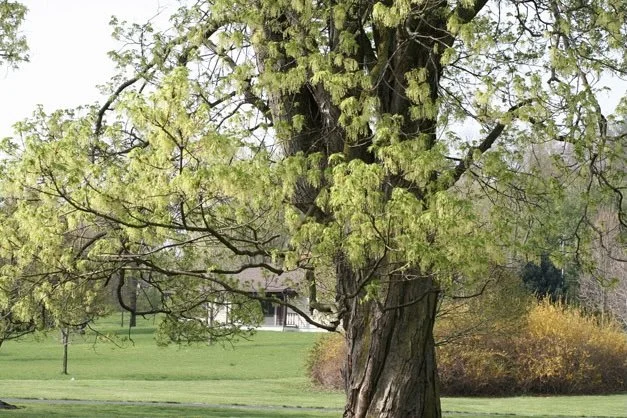
Acer saccharum
Acer saccharum or sugar maple blooms a couple weeks later but it is just as crucial when it comes to early pollinator support. Sugar maple is a host for over 225 native species of Lepidoptera including Eastern Tiger Swallowtails and Mourning Cloaks. All those caterpillars are bound to draw a crowd of native birds— Finches, Nuthatches, Grosbeaks and other nesting birds—plus Honey Bees, Bumble Bees, Cellophane Bees, Mining Bees and Sweat Bees all buzz around its small green flowers in April to get its nectar. This maple needs to be grown in well-drained, unsalted location.
Cercis canadensis
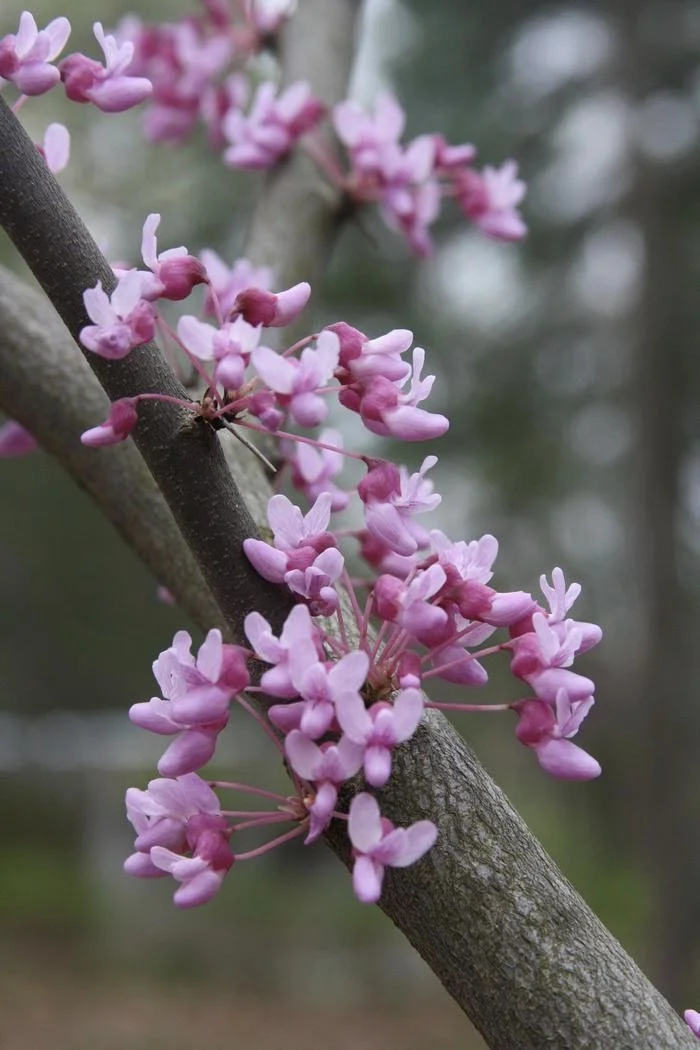
Cercis canadensis
Cercis canadensis or Eastern Redbud is a host plant for 20+ native butterflies and moths while providing a whole raft of bees an early supply of pollen and nectar including Honey Bees, Bumble Bees, Mason Bees, Cuckoo Bees, Long Horned Bees, Mining Bees and Sweat Bees. The larva from the hosted native butterflies and moths attract hungry native birds and attract seed feeding birds like Quail, Cardinals, Grosbeaks and Turkeys. A word of caution—Redbud is marginally hardy if your area is in a natural cold pocket. After the Upper Valley USDA planting zone was changed recently to 5a (-20 to -15 degrees), the newly planted Eastern Redbud seems to be thriving in the Upper Valley.
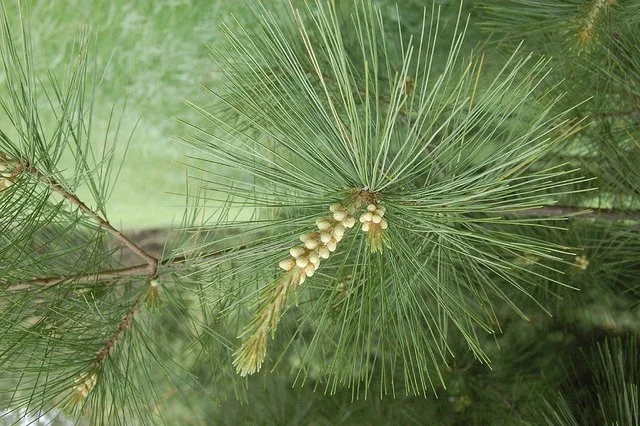
Male white tassel
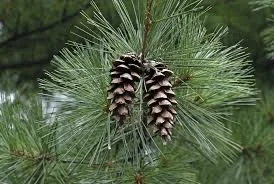
Pine cone
Evergreen conifers are primarily wind-pollinated and do not produce nectar-rich flowers. Male cones produce clouds of yellow pollen which wind transfers to female cones. Bees do collect sap and resin used to make propolis for securing and sterilizing the hive. Pine trees serve the ecosystem as hosts for over 200 species of caterpillars. Conifers provide year-round shelter and good nest building sites for birds.
Look Up! Observe & Appreciate our Woody Neighbors.